Types And Applications Of Dry Mortar Line

In modern buildings, dry mortar, as an important building material, is favored because of its excellent performance and wide application. The dry mortar production line, as the key equipment for the production of this high-performance mortar, the understanding of its type and application is crucial to ensure the quality and efficiency of construction. This paper will introduce in detail the types of dry mortar production line and its application in different occasions.
Types Of Dry Mortar Line

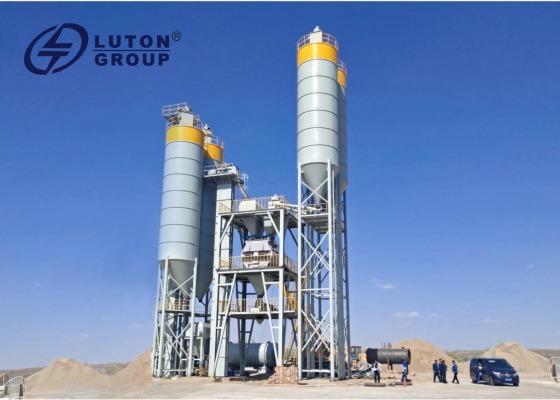
Dry mortar production line is mainly divided into simple type, semi-automatic type and automatic type, each type has its unique characteristics and application scenarios.

  • Simple Dry Mortar Production Line

The simple dry mortar production line is mainly composed of non-gravity mixer, dry powder silo, packing screw and so on. This production line has less investment and quick effect, but the output is relatively low, and the labor consumption is large, and the working environment is high in dust content. Therefore, it is more suitable for users with initial investment or limited budget.

  • Semi-automatic Dry Mortar Production Line

Compared with the simple type, the semi-automatic dry powder mortar production line has been significantly improved, mainly composed of non-gravity mixer( with flying knife), finished product silo, packaging machine, bucket elevator, to be mixed bin, dust collector, air pressure system, control system, etc. This production line has high output, good working environment, and good scalability , which is suitable for most investors to buy.

  • Automatic Dry Mortar Production Line

Automatic dry mortar production line is the most advanced configuration, mainly by efficient mixing system, storage system, conveying system, lifting system, weighing system, mixing system, packaging system, dust removal system, material level control system, alarm system, air pressure system, machine control system and so on. In addition, in areas where commercial sand is scare, crushing systems, screening systems and drying systems can also be added. Although the automatic production line has a large medium-sized cities with good wall insulation foundation.

Applications Of Dry Mortar Production Line

Because of its high efficiency, energy saving, environmental protection and other characteristics, dry mortar production line is widely used in the construction industry and agriculture, mining, transportation and water conservancy and other fields.

  • Construction Industry

In the construction industry, dry mortar production line is suitable for many occasions such as new construction, maintenance of old buildings, subway tunnel engineering and environmental protection engineering. In the new construction project, the dry mortar production line can provide high-quality mortar to meet the needs of large-scale construction such as masonry and plastering. In the maintenance of buildings, it can significant improve the quality and efficiency of maintenance work. In the subway tunnel project, the dry mortar production line can produce high-strength and high-consistency mortar to ensure the quality and safety of the project.

  • Other Industries

In addition to the construction industry, dry mortar production lines are also suitable for many fields such as farmland construction, mineral mining, road and bridge construction. In these industries, dry mortar production lines can provide stable, high-quality mortar for construction, improve construction efficiency and quality, and reduce production costs.

See more details on dry mortar plant on lutonmachinery.com.

Conclusion

Dry mortar production line as an important equipment in modern building construction, its type and application of understanding is very important to ensure the quality and efficiency of construction. Whether it is simple type, semi-automatic type or automatic dry powder mortar production line, it has its unique characteristics and application scenarios. When selecting, comprehensive consideration should be made according to specific construction needs and conditions to ensure construction quality and efficiency. At the same time, with the continuous progress and innovation of technology, the performance and scope of application of dry mortar production line will continue to expand and improve, providing more and better solutions for modern building construction.
The Replacement Cycle Of The Elevator In The Hopper Type Concrete Mixing Plant

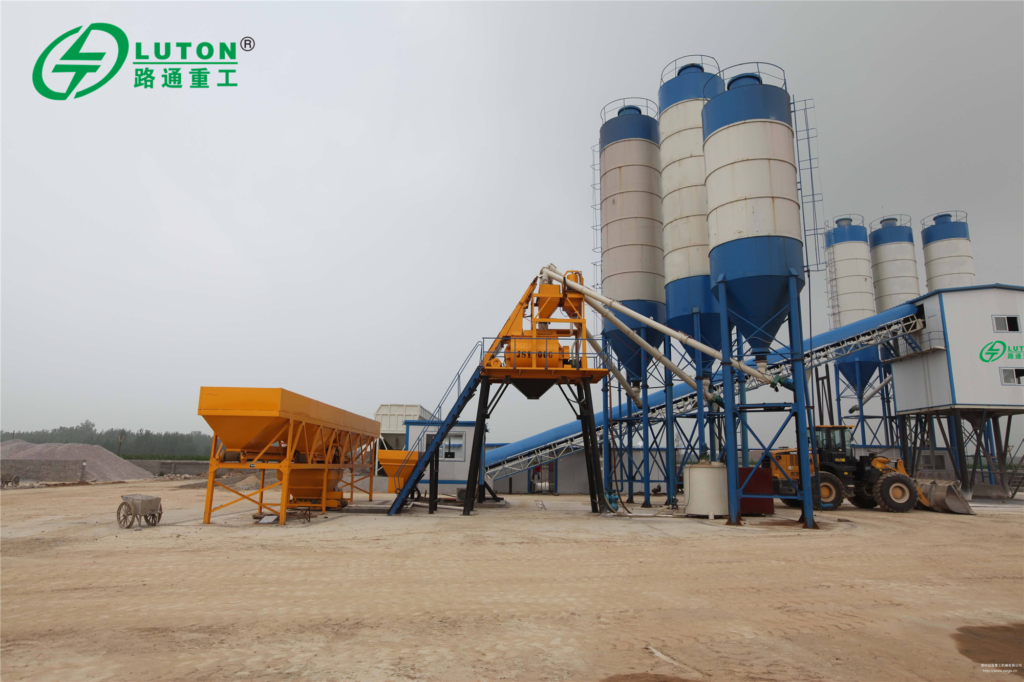
The replacement cycle of a hoist is a complex issue as it is influenced by various factors such as operating environment, frequency of use, load weight, and material quality. The following is a specific analysis of these factors.

Usage Environment

If the working environment of the hoist is harsh, such as high dust, temperature, humidity, etc., this may cause the belt or other components to age and deteriorate faster, thereby shortening its replacement cycle.

Usage Frequency

The higher the usage frequency of the hoist, the greater the degree of damage to its components, especially the belt, so the replacement cycle may be relatively short.

Load Weight

The heavier the object lifted by the elevator, the greater the load borne by the belt and other components, and the corresponding degree of wear and tear will increase, which may also shorten the replacement cycle.

Material Quality

The material quality of the hoist and its components has a significant impact on its service life. The durability and service life of elevator components made of high-quality materials are usually longer.

In addition, the type and brand of the hoist may also affect its replacement cycle. Generally speaking, the service life of low-end elevators may be around 5 to 7 years, mid-range elevators may be around 10 to 15 years, and high-end elevators may have a longer service life. However, please note that these are only rough estimates and cannot be used as specific replacement cycles.

In summary, the replacement cycle of a hoist is an issue that needs to be evaluated based on specific circumstances. To ensure the normal operation of the hoist and extend its service life, it is recommended to conduct regular inspections and maintenance, and replace components as necessary. At the same time, it is also very important to choose a brand and model of lifting machine with reliable quality and good durability.

The Advantages of Mobile Concrete Mixing Plant in the Construction of Highways

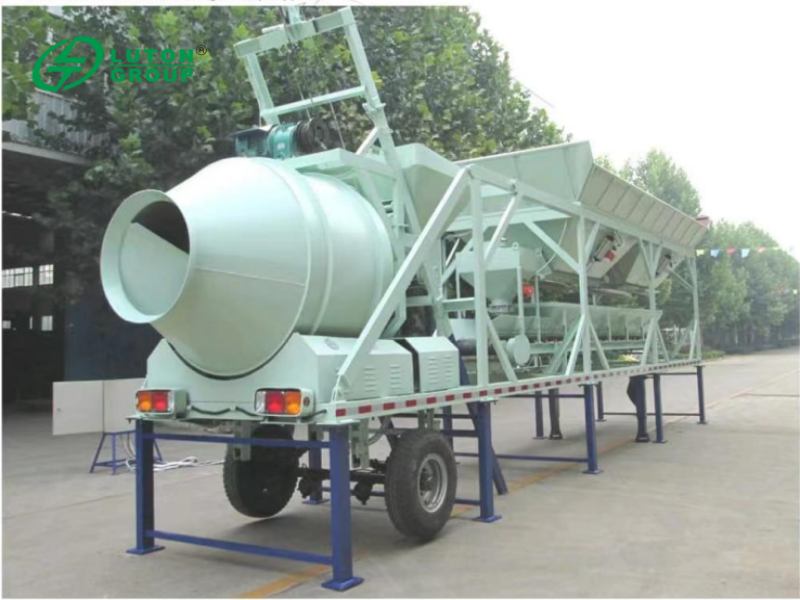
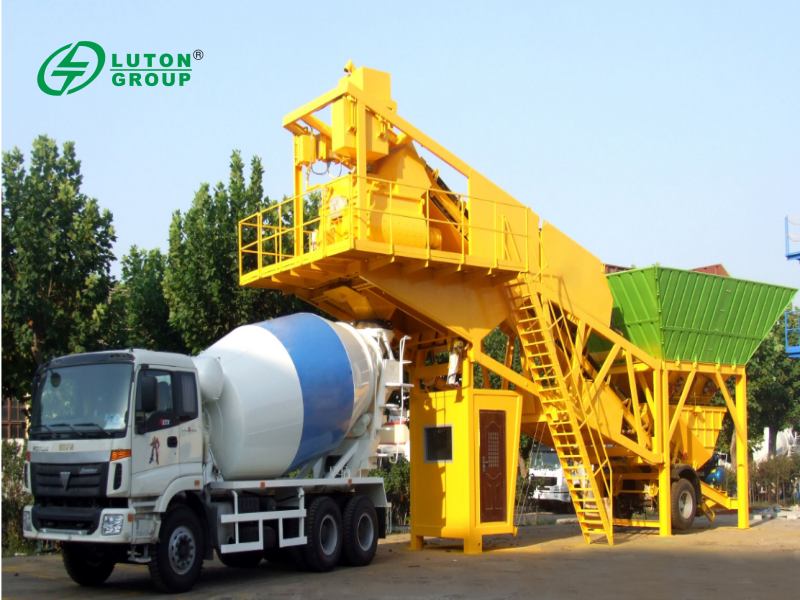
In the process of highway construction, concrete mixing plant is one of the essential equipment. Among them, the mobile concrete mixing plant has gradually become the mainstream choice for construction sites because of its flexibility and adaptability. This paper will introduce in detail the advantages of mobile concrete mixing station in the construction of highways.

Strong flexibility

Mobile concrete mixing plant can be moved according to the change of construction site, with strong flexibility. Compared with the traditional fixed concrete mixing plant, the mobile plant does not need to carry out cumbersome installation and disassembly, and can be quickly transferred to different construction sites. This advantage enables the mobile concrete mixing plant to better adapt to the changes and needs of the construction site when building a road.

High efficiency

Mobile concrete mixing plant usually adopts advanced mixing technology, which can quickly and accurately complete the mixing of concrete. At the same time, due to its flexibility and portability, the production capacity of the mobile mixing plant can be adjusted at any time to meet the needs of different stages of construction. This high efficiency can shorten the construction period of highway construction and improve the overall construction efficiency.

Cost savings

The use of mobile concrete mixing plant can greatly reduce the construction cost. First, due to its high flexibility, it can reduce the cost of equipment relocation due to changes in location. Secondly, the energy consumption of the mobile concrete mixing plant is low, the operating cost is relatively low, and the construction cost can be reduced. In addition, due to its high efficiency, it can reduce the input of manpower and material resources, and further reduce the construction cost.

Environmental protection

The mobile concrete mixing plant usually adopts a closed design, which can reduce the dust and noise generated by the concrete in the mixing process, and has better environmental protection performance. Compared with the traditional open concrete mixing plant, the mobile mixing plant has obvious advantages in protecting the environment. In addition, the portability of the mobile concrete mixing plant also makes it easier to adapt to the needs of urban construction and reduce the impact on the urban environment.

Reliability

The design and manufacture of mobile plants usually comply with relevant standards and specifications, and have high reliability and stability. At the same time, due to its portability and easy maintenance characteristics, the mobile concrete mixing plant can maintain a long service life and a low failure rate during a long time of use. This reliability makes the construction process of highway construction more stable and reliable, reducing unnecessary downtime and losses caused by equipment failure.

In summary, the mobile concrete mixing plant has the advantages of strong flexibility, high efficiency, cost saving, environmental protection and reliability in the construction of highways. With the continuous development and progress of technology, it is believed that mobile concrete mixing station will play a more important role in the future engineering construction field.

Brief Introduction of the Classification of the Asphalt

Asphalt is a kind of waterproof, moisture-proof and anticorrosive organic cementing material. Asphalt can be divided into coal tar asphalt, petroleum asphalt and natural asphalt .

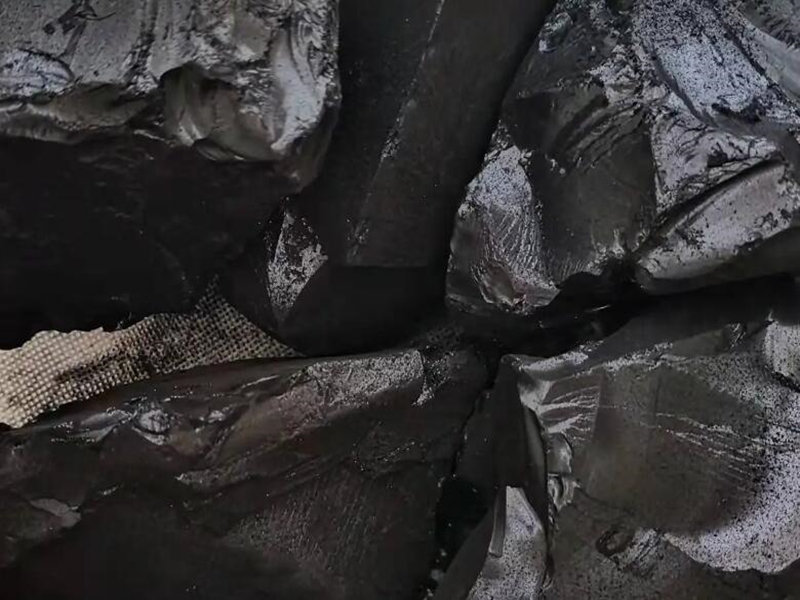
Coal tar pitch

Coal tar pitch is a by-product of coking, that is, the black substance that remains in the still after the distillation of tar. The change of temperature has great influence on coal tar pitch, which is easy to crack in winter and soften in summer.

Petroleum asphalt

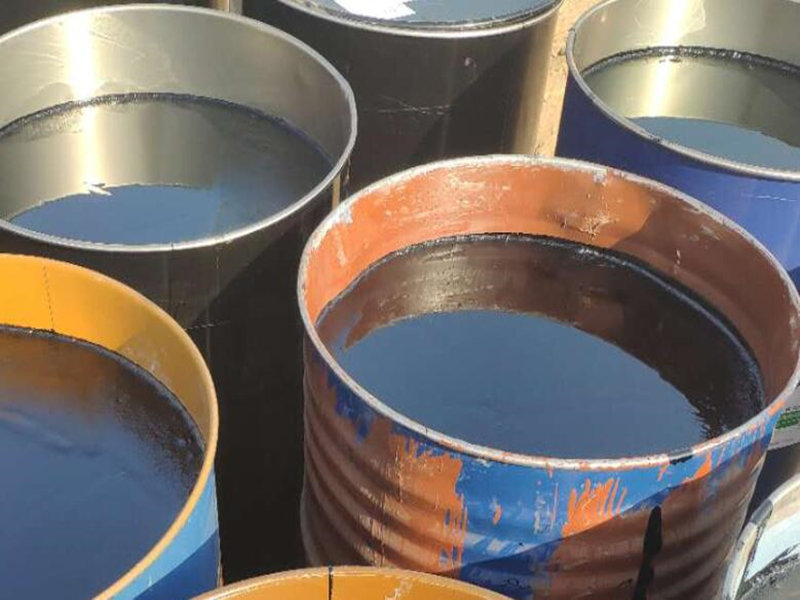
Petroleum asphalt is the product obtained from the residual oil of refined oil processing after proper process treatment. According to the degree of refining, it is a liquid, semi-solid or solid at room temperature. Most of the bitumen used in engineering is petroleum bitumen, which is a mixture of complex hydrocarbons and their non-metallic derivatives. Petroleum asphalt is black and shiny, with high temperature sensitivity.

Natural asphalt

Natural bitumen is the residue of petroleum seepage after long exposure and evaporation. Natural bitumen is stored underground, and some form mineral layers or accumulate on the surface of the crust.

Natural bitumen is very viscous but has fluidity. It has good fluidity, thermal stability, durable adhesion, elastoplasticity, electrical insulation and water resistance. Suitable for paving, light traffic road asphalt pavement.

Main use

The main use is as infrastructure materials, raw materials and fuel, the application range such as transportation (road, railway, aviation, etc.), construction, agriculture, water conservancy engineering, industry (extractive industry, manufacturing industry), civil and other sectors. For the road construction, the asphalt is mixed by a mixing plant to produce the asphalt mixture for road.

In civil engineering, asphalt is a widely used waterproof material and anti-corrosion material, mainly used in roof, ground, underground structure waterproof, wood, steel anti-corrosion. Asphalt is also widely used in road engineering pavement structure cementing material, it can be built with different structure of asphalt pavement after proportion with different composition of mineral materials, highway is more widely used.

Maintenance of asphalt

Asphalt maintenance is usually divided into three types: preventive maintenance, corrective maintenance, emergency maintenance. These three maintenance types can be selected according to the use of the road surface, and each maintenance type needs to choose different maintenance methods and maintenance equipment. The differences between the three maintenance measures are mainly reflected in the road condition and the length of traffic time. Of course, there is no clear line between the three.

Preventive maintenance is to maintain the pavement before it is damaged. Corrective maintenance refers to repairing the local damage of the road surface or treating some specific diseases; Emergency maintenance is a measure taken in emergency situations, such as road bursts and serious potholes that require immediate repair before traffic can open.

Packing and storage

Asphalt during production and use may require thermal storage in tanks, if properly treated, asphalt can be repeatedly heated at higher temperatures for a considerable period of time without serious damage to its properties.

Heating output

Asphalt is stored in a large storage tank, and when output is used, it is necessary to heat the asphalt in the storage tank to improve the fluidity of the asphalt in order to smooth and fast output. The heat source required for heating output is generally thermal oil.

More information on apshalt, please visit: ltasphaltplant

Brief Introduction on History of Concrete Mixer Development

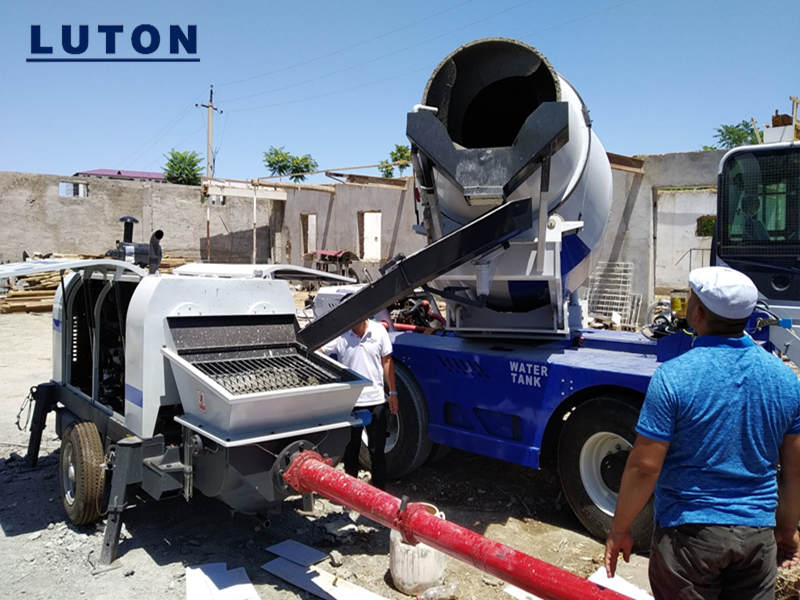
Concrete mixer is one of the indispensable equipment in modern construction sites, and its development has undergone many years of evolution and improvement. This article will give you a detailed introduction to the development history of concrete mixer.

1. Early manual mixing stage:

In the early days of human construction, concrete was prepared by hand mixing. Workers stir the mixture of cement, aggregate and water with a spade or a hand mixer to get an even mixture. This is time-consuming, labor-intensive and inefficient.

2. The appearance of mechanical agitator:

At the end of the 19th century, the advent of mechanical stirrers revolutionized the way concrete was prepared. Early mechanical agitators used a rotary blade design to rotate the aggregate and cement to mix it evenly. Although this kind of mechanical agitator improves the production efficiency, but because of the simple structure, the mixing effect is not ideal.

3. Development of forced mixer:

At the beginning of the 20th century, the emergence of forced mixers further improved the effect of concrete mixing. The forced mixer uses a conical blade and adds an additional forced mixing mechanism. This design allows for better mixing of cement and aggregate, resulting in greater uniformity and quality of concrete.

4. Volume adjustable concrete mixer:

With the increasing demand of construction, people put forward higher requirements for the quality and production efficiency of concrete. Therefore, the volume adjustable concrete mixer came into being. The volume adjustable concrete mixer can adjust the capacity of the mixing bucket according to the actual demand, which greatly improves the production efficiency and flexibility.

5. Automatic control:

With the development of science and technology, automatic control technology has been applied to concrete mixers. The introduction of computer control system makes the mixing process more accurate and controllable, automatically adjusts the mixing time and mixing speed, and improves the quality and stability of concrete.

6. Modern concrete mixer:

Today, concrete mixers have achieved modern development. The application of a variety of technologies, such as high-efficiency motors, more powerful mixing blades and intelligent control systems, makes concrete mixers have higher production capacity and work efficiency.

In short, the concrete mixer after years of development, from manual mixing to mechanical mixing and then to modern automatic control, constantly improve the construction efficiency and concrete quality. With the continuous progress of science and technology, the development prospects of concrete mixers will be broader and contribute more to the development of the construction industry.

New Fun Stuff Of Fabric

Berries and Holly, M7470-20G by Hoffman (Also, have light silver)Jingle 3 – Scotties AAK-15269-3by Kaufman Advent Calendar ADE-15182-223How the Grinch Stole Christmas by Kaufman.ADE-15183-223 How theGrinch Stole Christmas by Kaufman.
Berries and Holly, M7461-78S by Hoffman.Berries and Holly, M7461-22G by Hoffman.Berries and Holly, M7468-176S by Hoffman.Berries and Holly, M7465-3S by Hoffman.
The Whole Nine yardsby RJR Fabrics.Explore America by Robert Kaufman.Hearts – Lovebirds by RJR.Hugs and Kisses by Robert Kaufman.
Amelie by Anna Griffin -Bramble Floral – White.Amelie by Anna Griffin -Harlequinl – Pink.Amelie by Anna Griffin -Trellis Border – Blue.Amelie by Anna Griffin -Garland Border – Blue.